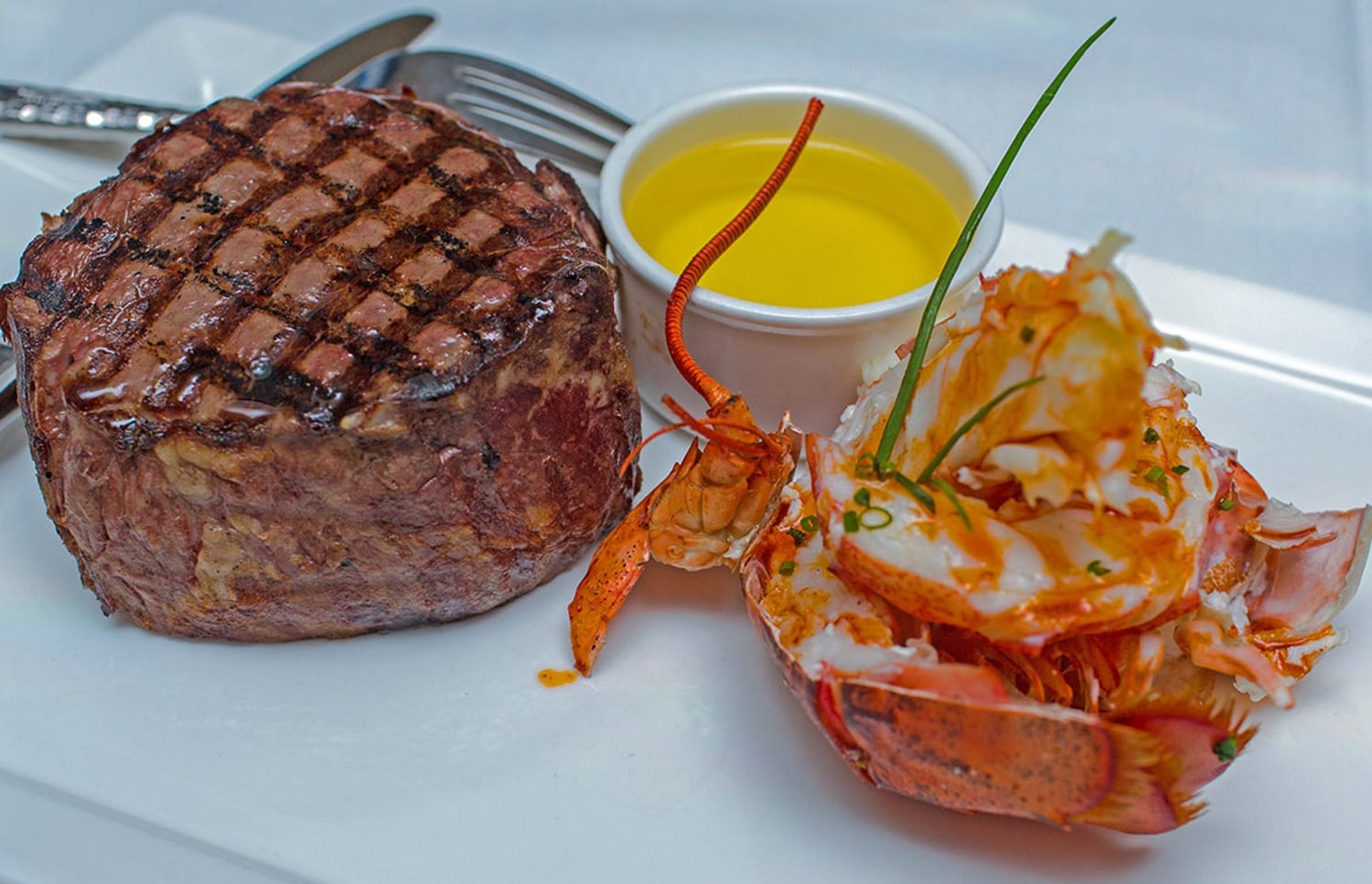
IRS Makes Meals Deductible Again!
Don’t order that lobster just yet – read this article first! Recently the IRS confirmed that taxpayers may continue to deduct 50% of the food and beverage expenses associated with operating their trade or business, despite changes to the meal and entertainment expense deduction under the Tax Cuts and Jobs Act.
The good news is companies get to keep a tax break they thought was lost and can continue to deduct 50% of meals when wining and dining clients. The bad news is that entertainment, which is no longer deductible, includes activities like engaging clients or prospects at nightclubs, concerts, theaters, country clubs, golf and athletic clubs, sky boxes and suites at sporting events, and on cruises, vacations and similar trips. Any activities relating primarily to the taxpayer or the taxpayer’s family are ineligible, as are business expenses which could be considered personal for a business customer or their family like a hotel suite or private car. The good news is the IRS decided that the business or trade matters, so if you are a football scout it is not expected the game you attend in a professional capacity would be considered “entertainment.”
TCJA specifically denied deductions for expenses for entertainment, amusement, or recreation as noted above, but did not address the deductibility of expenses for business meals or whether meals in and of themselves are “entertainment.” With newly issued guidance we hope to clear up the confusion below.
1. A deduction for the expense of any food or beverages is contingent on the following:
• The taxpayer, or an employee of the taxpayer, is present when the food or beverages are provided, and
• The deduction for any food or beverage expense cannot exceed 50% of the amount of the allowable expense.
2. Taxpayers may deduct 50% of an otherwise allowable business meal expense if:
• The food and beverages are provided to a current or potential business customer, client, consultant, or similar business contact; and
• If food and beverages are provided during an entertainment activity, they must be purchased separately from the entertainment, or the cost of the food and beverages must be listed separately from the cost of the entertainment on the bills, invoices, or receipts.*
There is still a need to keep detailed records and receipts, including the purpose of the meal and who was present. You may want to read our prior article here: http://www.fuoco.com/resources/tax-alerts/311-are-entertainment-expenses-extinct
Contact Us: Meals and entertainment play a critical role in networking and business generation activities for most businesses. It is important to understand the new treatment of expenses to ensure they are properly categorized, documented and deducted, to avoid lost tax savings. Please contact us with any questions regarding expenses, and remember they should be part of a broader conversations with your Fuoco Group professionals about changes under the new tax law. It may be that losing some of the entertainment-related expense deductions will be offset by reduced corporate tax rates and the new 20% qualified business income deduction for pass-through entities. Fuoco Group’s tax experts can assist in evaluating tax reform’s overall impact on your business. Got questions? We have answers. Contact us at 855-534-2727.
* The IRS will not allow the entertainment disallowance rule to be circumvented through inflating the amount charged for food and beverages.
** Thank you to Benjamin Steakhouse for that delectable surf and turf image from their daily menu!